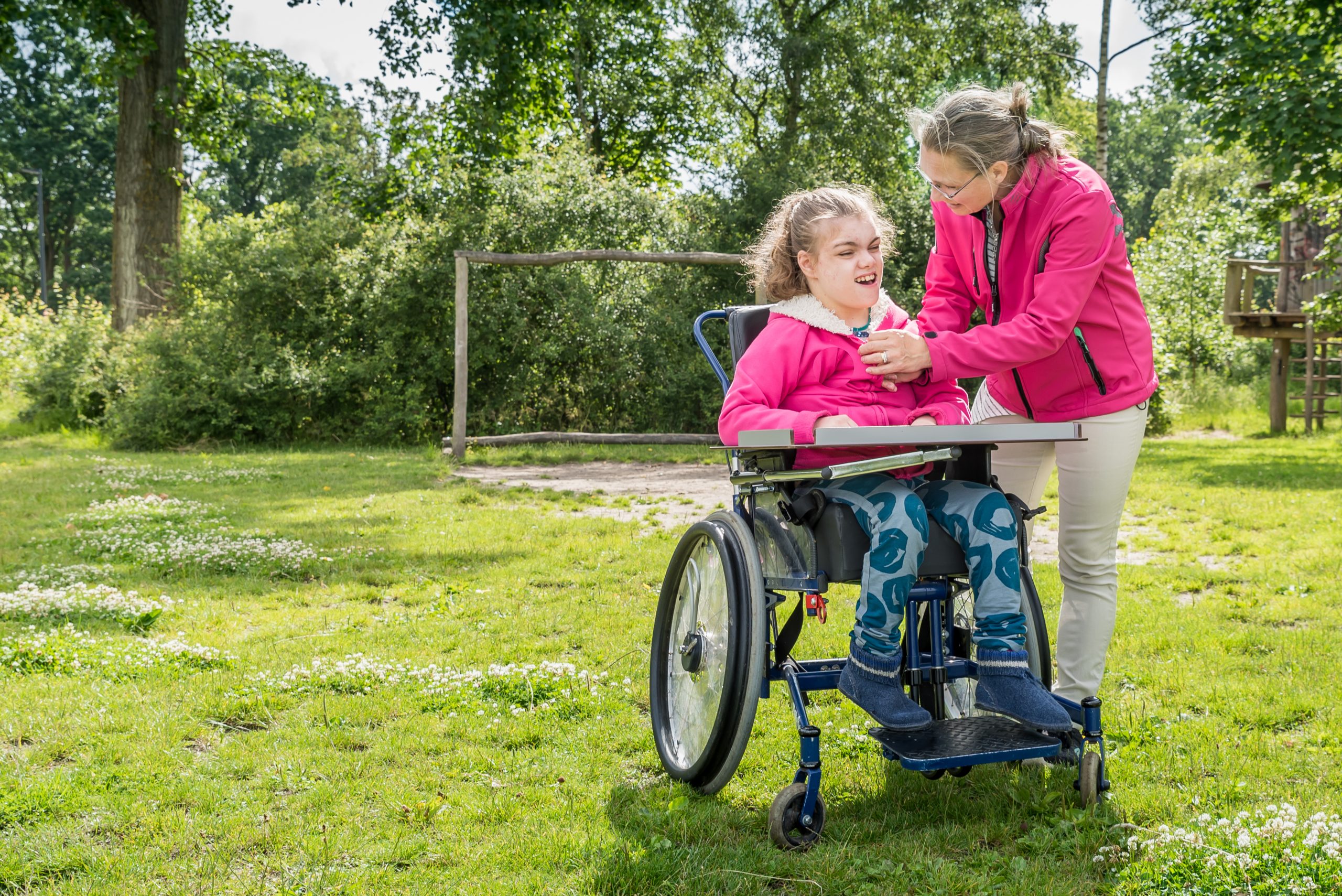
High Intensity Daily Activities

The delivery of supports for high intensity daily activities poses some of the greatest risks for NDIS participants and workers. Participants requiring these supports have complex health needs that must be supported by workers with specialised skills and experience, in order to ensure that the supports they receive are safe and of the highest quality.

It is essential that providers source workers with the relevant skills and knowledge to deliver supports for high intensity daily activities. Support workers need to have additional qualifications and previous experience relevant to the participant’s complex needs. With recent research demonstrating that people with a disability are more likely to suffer preventable deaths, it is increasingly important that extra care is taken to ensure sufficient communication, early detection  and timely medical assistance is provided.

Providers that assist with high intensity daily activities must meet all of the requirements of Module 1: High Intensity Daily Personal Activities, of the NDIS Practice Standards.  The NDIS High Intensity Skills Descriptors set out the skills and knowledge descriptors for Module 1 . Providers need to demonstrate that their workers have the relevant skills and training to provide each form of support. Providers may demonstrate that they meet the requirements of the skills descriptors through records of worker training and qualifications as well as relevant experience in the area.

We have recently developed some new resources to help providers meet and monitor their obligations in relation to the delivery of these complex supports.

Our new NDIS High Intensity Daily Activities Policy template outlines the training and skills required for staff when delivering each high intensity support. The policy template will ensure a consistent and reliable approach is taken to the delivery of complex supports. The policy document can be found in the Reading Room by searching for “high intensity”.

We’ve also recently created a new self-assessment for this area, to help providers track their obligations and compliance status. The self-assessment includes:

High intensity support:

  • Complex bowel care
  • Enteral feeding and management
  • Tracheostomy care
  • Urinary catheters
  • Ventilation
  • Subcutaneous injection

Additional support activities:

  • High risk of seizure
  • Pressure care and wound management
  • Mealtime preparation and delivery
  • Stoma care

You can find the self-assessment for the NDIS high intensity support skills descriptors in SPP under the Standards tab > NDIS Quality and Safeguarding Framework.

The self-assessment will assist providers to ensure that the skills and capabilities used in the delivery of their supports provide a safe environment for NDIS participants.

Contact us

Want to know more? Talk to our team.

Managing COVID-19 in Residential Aged Care

The Department of Health has recently outlined five essential processes for Residential Aged Care facilities to implement in the face of a COVID-19 outbreak. Below you will find a summary of those actions, as well as some additional guidance to help you implement the recommendations. 

Prepare an Outbreak Management Plan

Preparing and communicating an outbreak management plan is a fundamental step in COVID-19 preparedness. It will help staff to identify, respond to and manage an outbreakand reduce the risks to consumer and staff safety and wellbeing. At a minimum, facilities must delegate responsibility for outbreak plan development to an appropriate staff member.  

We have recently developed a Respiratory Outbreak management plan self-assessment in SPP. Based on guidance released by the Aged Care Quality and Safety Commission, the self-assessment guides providers through the necessary steps they should take in preparing for a COVID-19 outbreak, with linked resources to assist. 

Staff, client and family education

Residential aged care providers should understand that respiratory outbreak management goes beyond the facility itself. Providers should inform staff and residents, along with their families, of the importance of hand hygiene, cough etiquette and restrictions on visitation. Staff must understand and follow the necessary practices, and be supported to exclude themselves from work if they are experiencing any symptoms related to a respiratory illness. 

Our Infection Prevention and Control Policy template is a very informative and up-to-date resource that providers will find useful in approaching community education in the face of an outbreak. It will inform a provider’s processes for communicating with clients and their families, as well providing guidance on proper hygiene practices. 

Workforce management and contingency planning

Facilities should ensure that they have staffing contingency plan in place, which they could implement in the case of a respiratory outbreak that would force staff to quarantine for a long period of time. Contingency planning involves identifying key roles and substitutes for those key roles, identifying and mitigating other key operational risks, maintaining contact lists for casual staff, and ensuring access to external nursing agencies to ensure a timely response to an outbreak. 

We have a number of resources to help providers undertake their contingency planning processes The resources, available in SPP, include a Business Continuity policy, a Business Impact Analysis template, and a Risk Register and Management Plan template. 

Staff Education and Training

Facilities have a responsibility to ensure that their staff are adequately trained to understand the various aspects of respiratory outbreak management. This includes: 

  • Identificationstaff should be aware of, and be able to identify, the symptoms of a respiratory illness; 
  • Responsestaff should be made aware of the provider’s respiratory outbreak management plan, including whom to inform if a case is suspected; and 
  • Managementstaff must comply with proper infection control hygiene practices. 

Our Infection Control and Prevention policy template contains up-to-date information about staff training, including staff hygiene practices. Additionally, SPP’s new Respiratory Outbreak Preparedness self-assessment contains links to external training modules which staff can complete online. 

Consumable stocks

Facilities must ensure that they have adequate stock levels of consumable items which may be required during an outbreak. This includes: 

  • Personal protective equipment;
  • Hygiene products; 
  • Diagnostic materials (nose and throat swabs); and 
  • Cleaning supplies. 

SPP’s Respiratory Outbreak Preparedness Self-assessment contains links to government websites that will help providers acquire additional stock, if needed. 

Further reading

For further guidance in safely allowing visitation, see the Commission’s guidance for a list of suggestions and examples.

For more information regarding the processes which providers should implement, the national guidelines for the prevention, control and public health management of COVID-19 in residential facilities is an exhaustive resource developed by the Communicable Diseases Network Australia (CDNA). 

Want to see more?

To see all of COVID-19 resources sign up for SPP!

Working from home during COVID-19

Working from home can present many challenges. Spending long hours on a laptop at the kitchen table can be both physically and mentally stressful. Employees must take reasonable care for their own health and safety, and must co-operate with employers to ensure the workplace is safe by following any guidelines and carrying out necessary checks. For many organisations the pandemic presents new challenges, however there is an abundance of resources that organisations can use to assist them to maintain a productive workplace, and to assist employees struggling with their mental health.

A few tips to help you work from home safely and effectively:

  • Have a comfortable workstation;
  • Take regular breaks: for some people this may mean putting triggers in place to remind us to have a break- including setting an alarm;
  • Set boundaries between work and home. Setting up a designated space can be a good way to signal when you aren’t working. Moving the workstation to the end of the table, putting it away or covering it can be a good way to establish work hours;
  • Stay connected with your workmates, whether through regular meetings or more casual virtual chats; and
  • Schedule physical or creative activities into each day- get outside if the weather allows, or do indoor activities such as Yoga or Pilates.

Comcare has developed a useful working from home checklist which can assist organisations to ensure that short-term working from home arrangements fulfil the minimum requirements to keep them safe and healthy.  

Mental Health and Working from Home

Comcare has also developed some practical resources to assist you and your workplace to maintain good mental health throughout this time. They are updating their website as the situation evolves, with newly developed fact sheets. Some of their current fact sheets include:

Employers have an important role to play in ensuring their employees maintain their mental health. Employers should:

  • Check in regularly;
  • Create team chats that allow for continued communication;
  • Provide employees with appropriate flexibility when they work;
  • Encourage employees to stay physically active as well as regularly go outside;
  • Ensure employees are effectively disengaging from their work at the end of the day; and
  • Be available, accessible and ready to listen.

Dr Jill Newby, Associate Professor of Psychology at UNSW, who is based at the Black Dog Institute, has noted some common feelings that people may be experiencing during this time when working from home, including:

  • struggling to ‘switch off’ after work hours;
  • feeling isolated or disconnected both socially and professionally;
  • feeling a lack of motivation; or
  • feeling uncertain about their progress.

She offers some practical tips for individuals to stay motivated and productive when working from home.

It is vital that workers are supported to reach out and seek professional help if they are struggling during this time. Beyond Blue has many useful resources to help individuals stay positive and stay connected. It also provides support services which allow people to talk with a counsellor or to connect with others through online forums.

BNG has also developed some resources which may be useful when working from home. Our working from home policy outlines the responsibilities of both employees and employers when working from home, and outlines the confidentiality requirements when taking home or accessing client files from home. Our working from home agreement ensures that employers are aware of their obligations when working from home, and that the employee has undertaken the appropriate health and safety checks on their workspace.  

These resources are now available in SPP:

  • Policy: Working from home
  • Template: Working from home agreement

You can access these resources by searching for “working” in the Reading Room. 

Contact us

Want to know more? Talk to our team.

NDIS Provider obligations during the COVID-19 pandemic

Given how quickly information about COVID-19 is moving, it can be difficult for NDIS Providers to understand what they must do, and what they should do to ensure that their workers and participants are as safe as possible. This blog post will give NDIS Providers a snapshot of the actions they are obligated to take, and the actions that they should take, to minimise the risks to workers and participants.  

Risk management and minimisation is at the heart of the NDIS Quality and Safeguards Commission’s messaging. Workers who are suspected of having, or are at high-risk of having, COVID-19 should be sent home immediately and work from home where possible. Hygiene, and particularly hand hygiene, practices should be reinforced, including proper cough and sneeze etiquette. Workers should also be informed of the organisation’s contingency plan, so that they are able to prepare for implementing activities that will continue to provide critical supports and services to participants, while reducing their risk of exposure to COVID-19. 

Another key theme that both the Commission and the Department of Health are asking providers to focus on is timely communication with the Commission, so that it can conduct risk assessments and help ensure that participants in need are provided with urgent assistance when necessary. This is especially important for providers who become aware of workers and participants who have, or are suspected of having, COVID-19. 

NDIS Provider obligations – the “Must Dos”

NDIS Providers must continue to provide supports in line with the NDIS Practice Standards. In the context of COVID-19, this means providing high quality, safe supports and includes the management of risks associated with service provision. NDIS Providers must: 

  • Manage risks associated with service delivery; 
  • Reduce the provision of group supports to a minimum; 
  • Have a business continuity plan in place which has been recently reviewed; 
  • Ensure workers who are at risk of COVID-19, or displaying symptoms, remain at home; 
  • Prioritise the immediate needs of participants; 
  • Comply with the Restrictions on non-essential services; 
  • Ensure that PPE is available for workers providing essential supports to a participant who is suspected of having COVID-19; and 
  • Notify the NDIS Quality and Safeguards Commission if there are any changes to your services. 

Best practice actions that providers can take – the “Should Dos”

To minimise the risk of exposure to participants and workers, NDIS Providers should, where possible; 

  • Encourage staff to get flu vaccination; 
  • Ensure there is adequate PPE for staff. PPE can be requested by emailing the National Medical Stockpile; 
  • Provide services virtually where possible; 
  • Reinforce staff hygiene practices. The Department of Health has released an online worker infection control training module; and 
  • Move services to a participant’s home. If this moves a provider to a different support category for which the provider is not registered, they should contact the Commission. 

Restrictive practices

It is important to note that isolating a participant based on medical advice, (consistent with the Commonwealth Chief Medical Officer), is not considered an NDIS Commission regulated restrictive practice If a participant is in a form of isolation that is inconsistent with the Chief Medical Officer’s advice, or directions from state and territory governments, it may be considered an environmental restraint or seclusion. 

How BNG can help providers navigate their obligations during COVID-19

We have a number of useful resources that can assist providers to stay prepared and plan for business continuity during the pandemicSome examples of some of our resources relevant to the “should dos” and “must dos” are: 

  • Policy: Business Continuity
  • Policy: Infection Prevention and Control 
  • Policy: Staff Succession Planning 
  • Policy: Risk Management 
  • Template: Staff Succession Plan 

We are currently developing a COVID-19 preparedness self-assessment for SPP, which will help providers to identify and improve their processes in managing a respiratory outbreak. Subscribers will receive an update regarding the COVID-19 preparedness self-assessment in the next week.  

Given the speed of change during this COVID-19 pandemic, providers should keep up to date by checking in as frequently as possible with the latest news from the Department of Health, as well as the NDIS Quality and Safeguards Commission. 

The new Children’s Guardian Act 2019 (NSW)

In November of 2019 the Children’s Guardian Act 2019 (NSW) was passed in Parliament, with the requirements of the Act commencing on 1 March, 2020. The new Act codifies the role of the Office of the Children’s Guardian to accredit and monitor organisations involved in adoption and out-of-home care, as well as regulate children’s employment.  

The Act gives the Children’s Guardian responsibility for the Community Visitor Scheme and the Reportable Conduct Scheme. The Reportable Conduct Scheme has now been extended to religious and faith-based organisations. 

The new Act consolidates the functions and responsibilities of the Adoption Act and the Care Act into one act, and expands the functions of the Children’s Guardian. This provides a centralised mechanism for out of home care residential care providers to exchange information about the suitability of residential care workers, prior to engagement.  

 Part 3 (8) of the new Children’s Guardian Act 2019 (NSW) outlines the object of the Act, whose “paramount consideration” is the safety, welfare and wellbeing of children, as well as their protection from child abuse. It also sets out the guiding principles to be followed in administering the Act. The guiding principles underpin the more granular details included in the legislation. 

Below is each principle, with a list of BNG resources that can help organisations to align their processes with the principle.

How SPP can help you with the guiding principles of the Children's Guardian Act

The principles provide a number of clear guidelines about children’s rights, which all workers, as well as all affected children, should understand. BNG has developed several resources to help organisations align their processes with the principles, and ensure these are consistently communicated and understood: 

The guiding principles to be applied in administering this Act and the regulations are— 

(a) if a child is able to form views on a matter concerning the child’s safety, welfare and wellbeing— 

          (i) the child must be given an opportunity to express the views freely, and 
          (ii) the views are to be given due weight in accordance with the developmental capacity of the child and the circumstances,” 

Workers and children should be provided with sufficient information, in language that they can understand, that clearly sets out the rights of children to be involved in decisions that affect them, their rights to express their views without fear of reprisal, and their rights to raise concerns and complaints.   

Template: Child Rights (Child English), Policy: Child Safe Complaints, Template: Child Safe Code of Conduct. 

“(b) in all actions taken and decisions made under this Act and the regulations that significantly affect a child, account must be taken of the culture, disability, language, religion, gender identity and sexuality of— 

          (i) the child, and 
          (ii) if relevant, the person with parental responsibility for the child”

Organisations must ensure the equity and inclusion of all children regardless of their background or circumstances. Organisations must ensure that all children are free from discrimination or harrassment and should actively work to identify and eliminate cultural and physical barriers to access. 

Policy: Equity and Inclusion for Children and Young People

“(c) in deciding what action is necessary to protect a child from harm, the course to be followed must be the least intrusive intervention in the life of the child and the child’s family that is also consistent with the paramount consideration,” 

Organisations should support the child and take into consideration the wishes of the child and/or family when deciding on a course of action following an allegation or report of abuse, and involve the child and/or family in the investigation process. 

Policy: Child Safe, Policy: Responding to Abuse 

“(d) in decision-making under this Act and the regulations and the investigation or monitoring of persons, the Children’s Guardian must observe the principles of natural justice and ensure procedural fairness”

Internal investigations should follow the principles of natural justice and procedural fairness, all investigations and their outcomes must remain strictly confidential and all workers must cooperate fully with internal and external investigations. 

Policy: Child Safe 

“(e) in decision-making under this Act and the regulations in relation to an Aboriginal child or a Torres Strait Islander child, the Aboriginal and Torres Strait Islander Child and Young Person Placement Principles set out in section 13 of the Children and Young Persons (Care and Protection) Act 1998″ 

Workers and children should understand that Aboriginal or Torres Strait Islander children have the right to be immersed in, and maintain links to their culture and community. Workers should receive education in cultural competency for Aboriginal and Torres Strait Islander children. 

Policy: Equity and Inclusion for Children and Young People, Policy: Child Safe, Info: Aboriginal and Torres Strait Islander Cultural Competence – Best Practice

“(f) if a child is placed in out-of-home care, the child is entitled to a safe, nurturing, stable and secure environment.” 

Through engagement with the child, organisations should actively work to identify and reduce disturbances and barriers faced by children. 

Policy: Child Safe

Is your organisation child safe?

To see all of our child safe resources and assessments, sign up for SPP!

Aged Care Diversity Action Plans

The ageing population in Australia is increasingly diverse, with one in three older Australians born overseas. Aged care facilities have not always responded well to these diverse needs and often do not reflect the diversity of the wider population. Without taking specific actions to address the diversity of consumers in care, there is a risk that older people can be left feeling neglected and isolated.

A recent hearing on diversity in aged care in the Royal Commission into Aged Care Quality and Safety heard of instances where providers have failed to accommodate diverse older people. Malloy, a lesbian woman in her 80s, spoke of the discrimination that she has felt in aged care facilities, and highlighted the lack of awareness and the discrimination that she had experienced from staff.

Providing residents with choice and control is central to Standard 1 of the Aged Care Quality Standards: Consumer Dignity and Choice. To exercise this choice and control, residents need to have their diverse needs catered for.

In 2019, as part of the Aged Care Diversity Framework initiative, the government released four Diversity Framework Action Plans. These action plans outline procedures that can be taken to support all diverse groups of older people. These plans are not mandatory compliance requirements, however they guide organisations in delivering more inclusive and culturally appropriate services to all older people.

BNG has developed self-assessments in Standards & Performance Pathways (SPP) based on the action plans, to help guide your organisation in delivering a safe and inclusive service environment for individuals. There are three levels of each action plan to work through: foundational actions, next steps and leading the way. The action plans acknowledge that each provider is starting from a different place and therefore allow providers to work through three different levels according to what is most relevant to their services and client base.

The four diversity action plan self-assessments are:

This self-assessment assists providers in creating a more safe and inclusive service for all diverse older people. The action plan recognises that there is no ‘one size fits all’ approach to diversity. Taking steps to make the services more inclusive for diverse older people means better engagement with existing and potentially new consumers, improved wellbeing for consumers and new partnerships built within the community.

While the national Aboriginal and Torres Strait Islander population is projected to grow by 59% between 2011 and 2031, the Aboriginal and Torres Strait Islander population aged 65 and over is projected to grow by 200%[1]. This means that aged care facilities need to respond to the growing demand from older Aboriginal and Torres Strait Islander people. Aged care providers need to ensure that they are working to address the current barriers to service access that many older Aboriginal and Torres Strait Islander people face, and ensure they receive culturally appropriate services.

Many older CALD Australians face additional barriers to access and awareness of aged care services. In June 2015, only 18% of people in permanent residential aged care were from non-English-speaking countries, which is not reflective of the fact that around 33% of people in the wider community were born in a non-English-speaking country[2]. As a bilingual person ages, they can lose the English skills that they have acquired over their lifetime and revert back to their original language. This means that additional support needs to be provided to allow older CALD people to access aged care services, and ensure they receive culturally appropriate care.

BNG has an interpreter services policy that can be a useful resource for organisations when providing care to older CALD people.

The action plan acknowledges that many older LGBTI people have faced significant discrimination and neglect throughout their lives. This means that many older LGBTI people may be ashamed or may face significant anxiety in expressing themselves. Organisations should be considerate of this experience and build confidence among older LGBTI people by providing the support and care that they need.

The action plans have been developed to assist aged care providers to ensure continuous improvement in providing care that meets the diverse characteristics and life experiences of all clients. Completing the new self-assessments in SPP is a simple way for providers to incorporate the Aged Care Diversity Framework into their service delivery, and work towards best practice in tailoring their care to assist individuals.

[1] https://www.health.gov.au/sites/default/files/documents/2019/12/actions-to-support-older-aboriginal-and-torres-strait-islander-people-a-guide-for-aged-care-providers.pdf
[2] https://www.health.gov.au/sites/default/files/documents/2019/12/actions-to-support-older-cald-people-a-guide-for-aged-care-providers.pdf

Contact us

Want to know more? Talk to our team.

Aged Care Commission now taking a closer look at compulsory reports

The Aged Care Quality and Safety Commission announced recently that it has expanded its processes in relation to responding to compulsory reports.

Under the Aged Care Act 1991 (Cth),  Aged Care providers are required to report unexplained absences and reportable assaults to both police and the Commission within 24 hours of the incident occurring. From March 1, 2020 the Commission will be looking more closely at these compulsory reports, and this may include chasing up a provider to assess the provider’s investigation and response to incidents. For this reason, it is important that Aged Care providers do their best to ensure their compulsory reports satisfy all of the requirements as outlined by the Commission.

Providers may also be asked by the Commission to provide additional evidence of improvements to systems and processes in response to incidents. Improvements may include staff training and amendments to care plans or behaviour charts. In some cases, if the Commission deems necessary, a site visit will be conducted, which may involve staff and resident interviews.

What should providers do?

Governance and policy

Providers should aim to implement policies and procedures that facilitate a culture of open reporting. Policies and procedures should outline the appropriate reporting steps to take, following an allegation or suspicion of reportable assault or unexplained absence. Policies should also contain guidance on investigating and recording incidents.

Staff training

Providers need to ensure that all care staff understand what constitutes a reportable assault or an unexplained absence, along with the reporting processes to follow if they believe such an incident has occurred. Providers should inform staff of the protections in place for reporting, and the circumstances in which they would qualify for protection.

Staff should also understand that they have the option to report directly to the Commission if they are concerned about anonymity.

Record keeping

Providers should maintain a register containing the details of all reportable assaults and unexplained absences, which can be provided to the Commission upon request.

Records must include:

  • The date an allegation was made, or when the provider began to suspect a reportable assault occurred.
  • A brief description of the allegation or suspicion.
  • Information about whether the incident was reported to police and the Commission. If the incident was not reported, record the reasoning behind that.
  • Details of incident investigations, if undertaken by the provider.

Some things to remember

  • Very specific circumstances excluded, approved providers of residential aged care must report every allegation or suspicion of a reportable assault.
  • Reports must be made to both the police and the Commission within 24 hours of the allegation being made, or from the time the provider starts to suspect that a reportable assault occurred.
  • The identity of any staff member who has made a disclosure must be protected, and the staff member must be protected from victimisation or retaliatory action.
  • The Commission may take compliance action against approved providers if they fail to meet compulsory reporting requirements.
  • The Commission actively monitors compliance with compulsory reporting requirements, and from March 1, 2020 has expanded its monitoring efforts in responding to and investigating compulsory report processes of providers.

How BNG can help you to prepare

With the Aged Care Commission more closely monitoring incident reports, it’s a good reminder to providers to review their incident report templates and policies. BNG has several resources that can assist organisations with reporting incidents:

  • Template: incident report template
  • Template: incident register
  • Template: incident investigation template
  • Policy: incident management procedures

Want to know more?

To access these resources as well as hundreds more, click the button to the right!

Contingency planning: the importance of a “Plan B”

It is important that organisations have risk management plans in place to ensure that they are prepared for changes that may affect the operation of their business. Changes could involve internal factors or issues, or there could be external factors that are outside the control of the organisation. Contingency planning is essential for risk management and business continuity. Lack of contingency planning can mean that your organisation is exposed to unnecessary risks, or that it cannot quickly take steps to mitigate or respond to the impacts of certain risks, if indeed they do eventuate.  

With the spread of COVID-19 (novel coronavirus) currently being monitored around the world, it is a good reminder to businesses to have a risk management plan in place. While Australia is currently at low risk from the coronavirus, it is possible that the number of cases will steadily increase. Organisations should consider and plan for changes to the way they do business, that may come about due to the spread of the virus. For aged care facilities, this is particularly important as the virus appears to have more serious consequences for older people. A contingency plan is important for both aged care organisations, as well as other workplaces who may have to accommodate changes to the operation of their business. The spread of the virus may have impacts such as a rise in absenteeism, or requirements for businesses to arrange for some or all staff to work from home.

It is not possible to anticipate all risks that a business faces, however a risk management plan is essential to identify and prepare for potential risks. Anticipating potential risks, and formulating a plan to respond to and mitigate those risks, can help prevent significant loss to productivity. It is important that businesses regularly evaluate, review and update their business continuity plans.

BNG has a number of resources that can assist organisations to identify risks and impacts to their business, and develop recovery or alternative plans that can be implemented.

Risk register and management plan template:

  • This resource guides organisations in identifying risks, prioritising them according to likelihood that they will happen as well as impact if they do occur, and finally creating a recovery plan or a strategy for continuing operations in alternative ways;
  • It guides the organisation through potential risks to do with:
    • Governance and management
    • Legal/ compliance
    • Financial/ funding
    • Human resources
    • Work health and safety
    • Reputation and relationships
    • Operations and service delivery; and
    • Administration and information technology

Business impact analysis template:

  • This template assists organisations to identify which activities are critical to the operation and continuation of the organisation; and
  • it allows them to identify and assess the potential impact that failure of certain operations will have on the organisation.

Business continuity policy:

  • This policy assists businesses in the process for preparing for potential risks and recovering and returning to their pre-incident condition as quickly and effectively as possible.

These documents are all available in SPP:

  • Policy: Business continuity
  • Template: Business Impact Analysis
  • Template: Risk register and management plan

You can access these resources by searching for “business” or “risk” in the Reading Room. 

Want to know more?

To access these resources as well as hundreds more, click the button to the right!

Intimacy and sexuality in aged care

When we talk about the elderly, the topics of sex and intimacy are often taboo. There is a common misconception that older people lack sexual drive, however intimacy, sexuality and sexual expression continue to be important throughout our lives.

Understanding and supporting the sexual and intimacy needs of older individuals can be challenging for staff who have limited training in the area. The area of sexuality and intimacy remains largely misunderstood and often ideas about sexuality and intimacy are informed by cultural and social constructions. Understanding the needs of older individuals is an ongoing responsibility that requires special skills and knowledge. Having a policy is essential for addressing embarrassment, confusion and helplessness around the area and for training staff to provide this level of care. Neglecting these needs can cause mental health issues and can affect self-esteem for elderly residents.

In late 2018, a research report by the Australian Centre for Evidence Based Aged Care found that less than a quarter of Australian residential aged care facilities surveyed had a policy on sexuality or sexual health, and less than one-tenth reported having a written policy. This means that the sexuality and intimacy needs of residents are at risk of being mishandled or ignored.

Policies regarding sexuality and intimacy are important to guide staff through this sensitive topic. Helping residents to connect with others and maintain relationships, including intimate relationships, is an important component of Standard 1 of the Aged Care Quality Standards: Consumer Dignity and Choice.

To help you support clients with their needs surrounding intimacy and sexuality, BNG has developed a policy and an information sheet. These outline:

  • how to maintain an inclusive environment within the organisation;
  • the importance of recognising the diversity of residents and that they all have different needs and preferences;
  • how to start a conversation around the sexual and intimacy needs of the individual;
  • how to handle unwanted or inappropriate sexual behaviours;
  • the importance of respecting the privacy of individuals; and
  • the importance of recognising the diversity of residents and treating things on a case by case basis.

The new resource will help you to develop answers for questions such as what to do if:

  • A couple moves into a residential facility, but there are no shared rooms?
  • A resident asks to pay for the weekly visits of a sex worker?
  • A resident wishes to continue to express themselves the way they did in their own home?
  • A resident is showing inappropriate behaviour towards another resident?

These are now available in SPP:

  • Policy: Intimacy and Sexuality in Aged Care
  • Info sheet: Intimacy and Sexuality in Aged Care

You can access these resources by searching for “Intimacy” in the Reading Room. 

Contact Us

Want to know more? Talk to our team.